Ghrelin explained: how the hunger hormone shapes appetite
Ghrelin is a hormone produced mainly in the stomach that helps signal hunger, coordinate meal timing and regulate other body functions. Its level generally rises before eating and falls afterward, but that familiar pattern is only one part of a complex appetite system. Understanding that system can make hunger feel less mysterious without reducing every craving or weight change to a single hormone. A protein-rich breakfast and fiber-containing lunch can help reveal whether the problem is inadequate meals or a cue-driven craving.
What ghrelin does
Ghrelin travels through the bloodstream and communicates with the brain, particularly regions involved in appetite and energy balance. It can increase the motivation to seek food and also participates in growth-hormone release, glucose regulation, stomach movement and reward-related responses to food.
The active, acylated form of ghrelin binds to the growth hormone secretagogue receptor. Another circulating form, des-acyl ghrelin, does not activate that receptor in the same way and remains an active area of research.
- Produced primarily by specialized cells in the stomach
- Usually increases during fasting and before anticipated meals
- Often decreases after food reaches the digestive system
- Interacts with insulin, leptin, gut peptides and brain reward pathways
A normal daily rhythm, not an appetite defect
Feeling hungry near a usual mealtime does not establish that ghrelin is abnormally high. The body can learn meal schedules, so ghrelin may rise in anticipation of the times a person routinely eats.
Responses after a meal vary with energy content, food composition and individual physiology. Protein and mixed meals often produce better short-term satiety than an equal-looking portion dominated by rapidly digested carbohydrates, but no food permanently switches ghrelin off.
Why hunger returns
As time passes after a meal, stomach contents diminish and multiple nutrient and hormonal signals change. Ghrelin can contribute to renewed hunger, while habits, food cues, stress, sleep and the availability of rewarding foods can amplify or override physical signals.
Supplements for Ghrelin
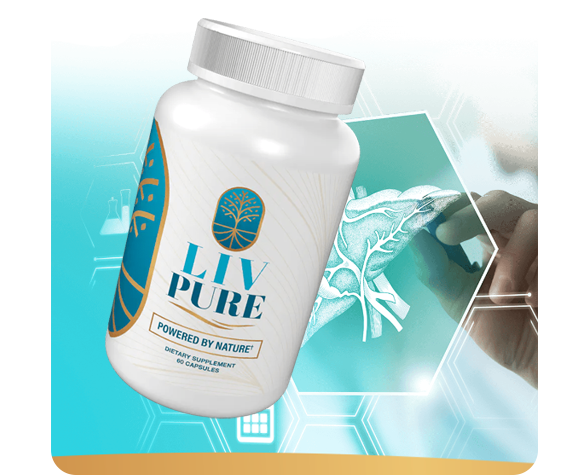
LivPure
LivPure combines milk-thistle silymarin, betaine, berberine and glutathione with green-tea compounds to support normal liver function and fat metabolism. Berberine is included for metabolic wellness, while milk thistle and glutathione focus on liver and cellular antioxidant support. For ghrelin, the liver-and-metabolism blend can support everyday wellness, while foods rich in protein and fiber provide fullness.
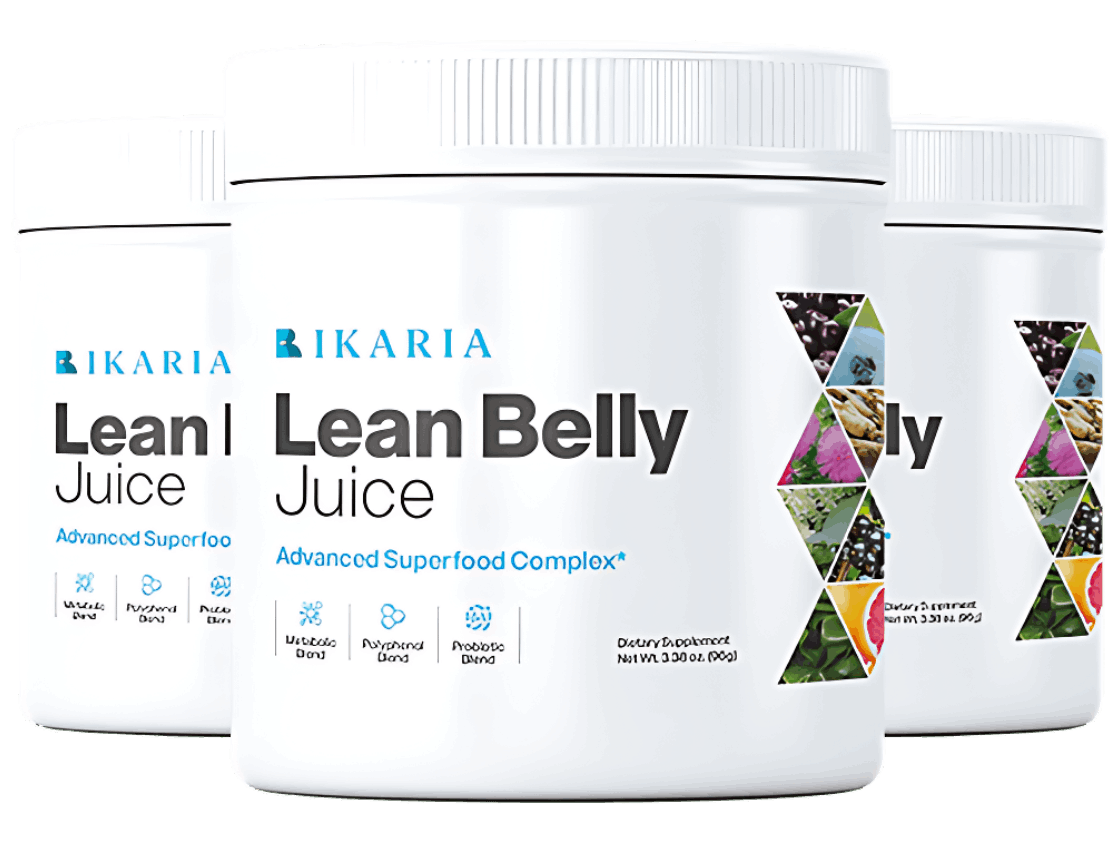
Ikaria Juice
Ikaria Juice approaches weight-management wellness through botanical antioxidants, citrus pectin and an inulin-and-probiotic digestive blend. Its digestive blend supports beneficial gut organisms and regularity, alongside antioxidant-rich extracts from berries and green tea. For ghrelin, probiotic cultures and inulin emphasize digestive comfort and gut-related appetite patterns.
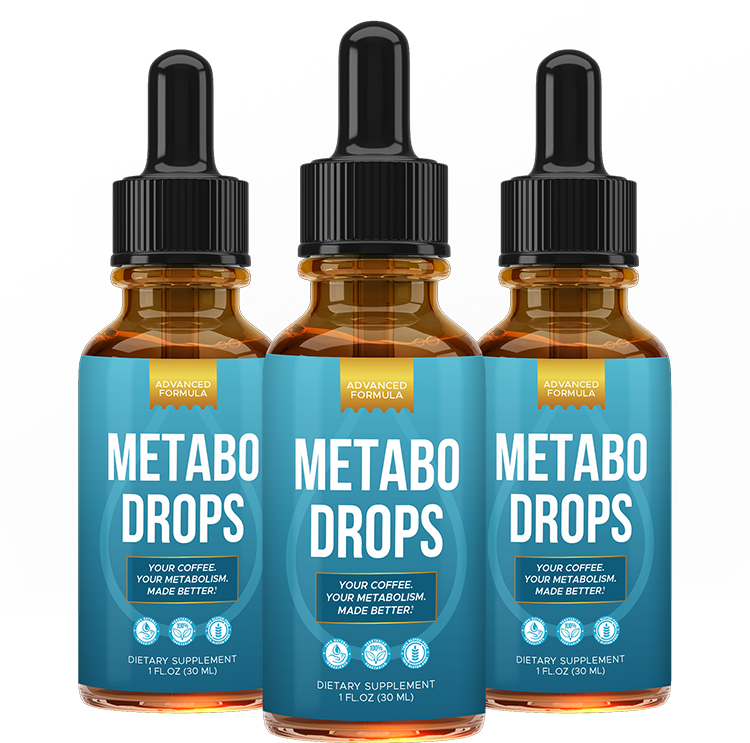
Metabo Drops
Metabo Drops is a coffee-mix formula combining chromium for normal macronutrient metabolism with chlorogenic acid, green tea, L-carnitine and L-theanine. Chromium contributes to normal macronutrient metabolism, L-carnitine participates in fatty-acid transport, and L-theanine supports calm focus with coffee. For ghrelin, chromium contributes to nutrient metabolism while L-theanine supports calmer alertness with coffee.
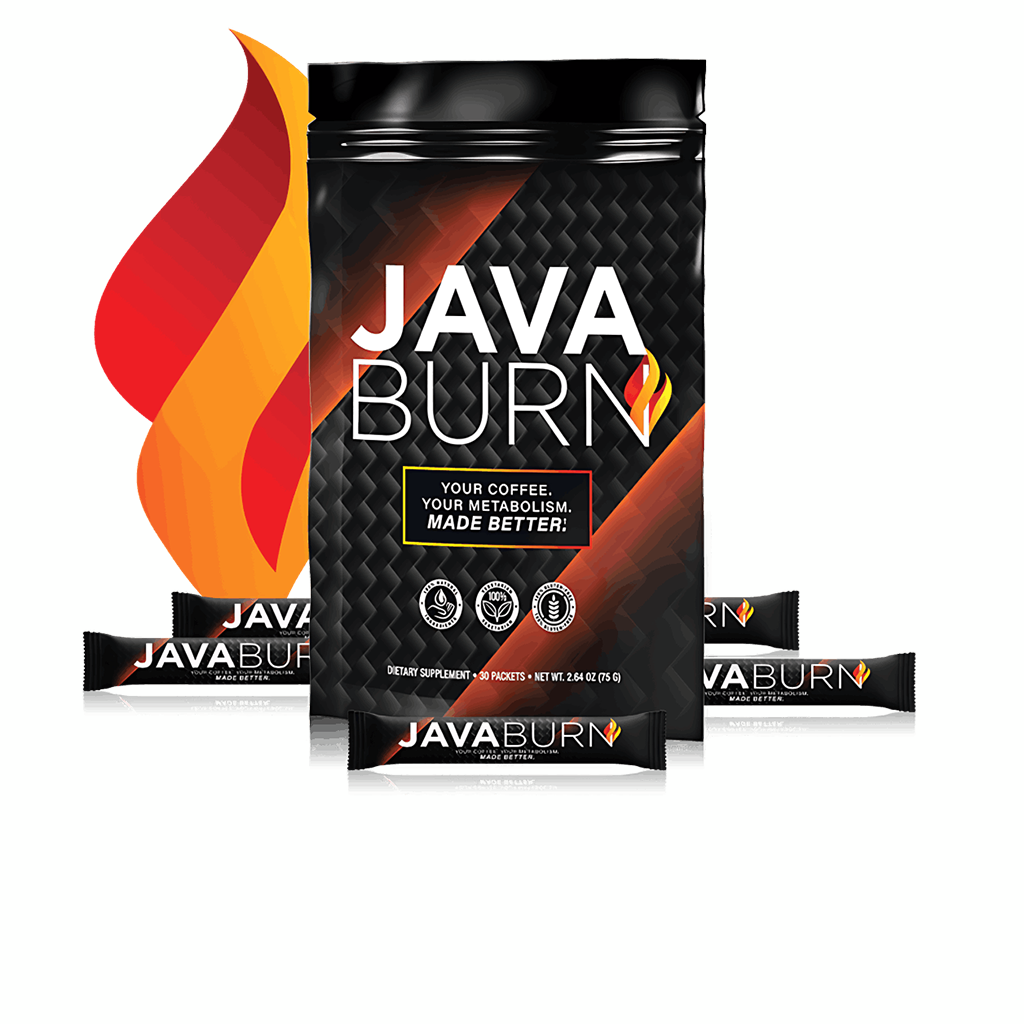
Java Burn
Java Burn mixes into hot or iced coffee and contains green-tea extract, green-coffee chlorogenic acids, L-carnitine, L-theanine, chromium and B vitamins. Chromium and B vitamins contribute to normal nutrient and energy metabolism; the green-tea and green-coffee extracts add polyphenols. For ghrelin, chromium contributes to nutrient metabolism while L-theanine supports calmer alertness with coffee.
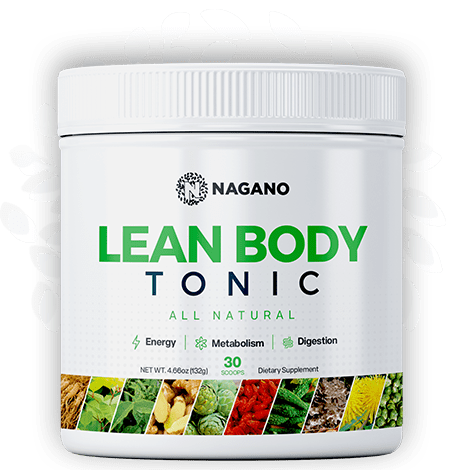
Nagano Tonic
Nagano Tonic is a powdered drink mix made with botanicals and nutrients including camu camu, green-tea EGCG, mangosteen, ginger and inulin. Its formula is promoted for daily metabolic, energy and digestive support; it is not a substitute for balanced nutrition or medical care. When comparing options alongside ghrelin, review the ingredient label and seller terms before ordering.
Ghrelin and body weight
Calorie restriction commonly triggers biological adaptations that make continued weight loss harder. Increased hunger and changes in appetite hormones, including ghrelin, can be part of that response; this is physiology, not a failure of willpower.
Ghrelin does not independently determine body weight. Food environment, medications, sleep, muscle mass, activity, genetics, illness and several other hormones all contribute. Claims that one ingredient will permanently block a hunger hormone or make fat disappear should therefore be treated skeptically.
- Expect appetite to fluctuate during intentional weight loss
- Use repeatable meals and routines rather than relying only on restraint
- Discuss persistent or extreme hunger with a clinician, especially when accompanied by other symptoms
What you can do with this information
Start by distinguishing physical hunger from a cue-driven urge to eat. Physical hunger often builds gradually and is satisfied by a range of foods; cue-driven desire may appear suddenly around a specific food, emotion or setting. Both experiences are real, but they call for different responses.
For steadier satiety, build meals around a meaningful protein source, fiber-rich plants and enough total food to meet your needs. Consistent sleep, regular meal timing and sustainable calorie targets are generally more practical than trying to manipulate ghrelin directly. A useful test is to record when hunger appears, how long the last meal kept you full and whether sleep loss changed the pattern.
- Record meal time, hunger level and sleep for one week
- Notice whether long gaps predict overeating later
- Add protein or fiber when meals repeatedly fail to satisfy
- Seek individualized care for unexplained weight change or disruptive hunger
Frequently Asked Questions
No. Ghrelin is a normal signaling hormone involved in hunger, growth-hormone release and several metabolic processes. Problems cannot be diagnosed simply because someone feels hungry.
No single food permanently shuts it down. Meal energy and composition can influence the short-term response, while satiety also depends on stomach volume, other gut hormones, habits and the brain's reward system. The food itself should provide meaningful protein and fiber, not only a low calorie count.
They are often described that way because ghrelin can promote hunger while leptin helps communicate stored-energy status. In reality, they operate on different timelines and interact with many additional signals.