How ghrelin works across meals, sleep and weight change
Ghrelin is best understood as a changing signal rather than a fixed appetite setting. Its production, activation and effects depend on fasting, learned meal times, sleep and the body's current energy needs. It also shares control with neural, digestive and psychological systems. A useful test is to record when hunger appears, how long the last meal kept you full and whether sleep loss changed the pattern.
From the stomach to the brain
Most circulating ghrelin originates in the upper gastrointestinal tract. An enzyme commonly called GOAT attaches a fatty acid to some ghrelin molecules, creating the acylated form capable of activating the best-characterized ghrelin receptor.
Signals reach appetite-related brain circuits through the bloodstream and communication involving the vagus nerve. The resulting experience is not merely an empty-stomach sensation: attention, motivation and the perceived reward value of food can change as well.
Why laboratory terminology matters
Studies may measure total ghrelin, acylated ghrelin or both acylated and des-acyl forms. Results from those measures are not interchangeable, which is one reason a simplified claim about raising or lowering “ghrelin” may omit important context.
What happens around a meal
Ghrelin often climbs during a fast and peaks near an expected mealtime. After eating, nutrient sensing in the stomach and intestine contributes to its decline while satiety signals such as cholecystokinin, GLP-1 and peptide YY participate in ending the meal.
Liquid calories, solid foods and meals with different proportions of protein, carbohydrate and fat do not necessarily produce identical appetite responses. Short-term hormone changes also do not guarantee that a person will consume fewer calories over days or lose weight.
- Meal anticipation can influence premeal peaks
- Calorie content and nutrient absorption affect postmeal signaling
- Stomach stretch contributes to fullness but is not the only factor
- Hormone measurements and subjective hunger can move differently
Recommended Products
Sleep, stress and exercise
Insufficient sleep can make appetite regulation more difficult and increase the appeal of energy-dense foods. Ghrelin may be involved, but study results depend on sleep duration, timing, participant characteristics and the way the hormone was measured.
Exercise can temporarily suppress appetite in some people and increase it in others later, particularly when energy expenditure is high. Stress can also change eating through reward and coping pathways even when a single hunger-hormone explanation does not fit. A useful test is to record when hunger appears, how long the last meal kept you full and whether sleep loss changed the pattern.
- Keep wake and sleep times reasonably consistent
- Avoid interpreting one unusually hungry day as a hormonal disorder
- Plan recovery meals after demanding training instead of waiting for extreme hunger
Dieting and medical weight-loss interventions
After weight loss, the body may defend its previous energy stores through stronger hunger, lower energy expenditure and altered hormone signaling. A moderate plan that preserves satisfying meals may therefore be easier to sustain than repeated severe restriction.
Bariatric procedures can alter ghrelin and other gut hormones, but the direction and magnitude vary by procedure, anatomy and time since surgery. Prescription obesity medications generally act on broader appetite pathways; their suitability depends on health history, other medicines and clinical assessment.
A useful expectation
Successful weight management does not require the complete absence of hunger. A more realistic goal is hunger that remains predictable and manageable enough to support adequate nutrition and consistent decisions.
Supplements for Ghrelin

LivPure
LivPure combines milk-thistle silymarin, betaine, berberine and glutathione with green-tea compounds to support normal liver function and fat metabolism. Silymarin and glutathione contribute antioxidant support, while betaine and choline are involved in normal liver fat processing. For ghrelin, the liver-and-metabolism blend can support everyday wellness, while foods rich in protein and fiber provide fullness.
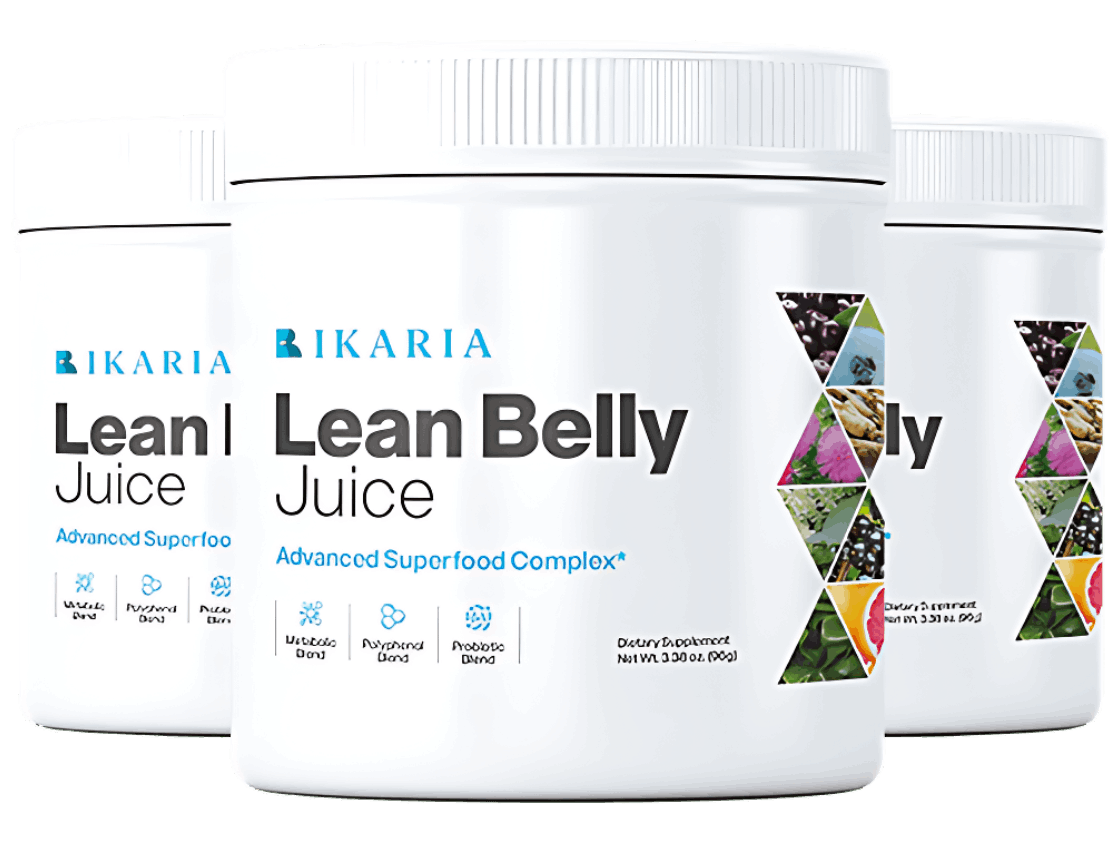
Ikaria Juice
The Ikaria Juice drink mix contains turmeric, milk thistle, green-tea extract and fruit polyphenols, plus fiber and probiotics for gut balance. The combination of probiotic cultures, prebiotic fiber and botanical polyphenols targets gut comfort and everyday metabolic health. For ghrelin, probiotic cultures and inulin emphasize digestive comfort and gut-related appetite patterns.
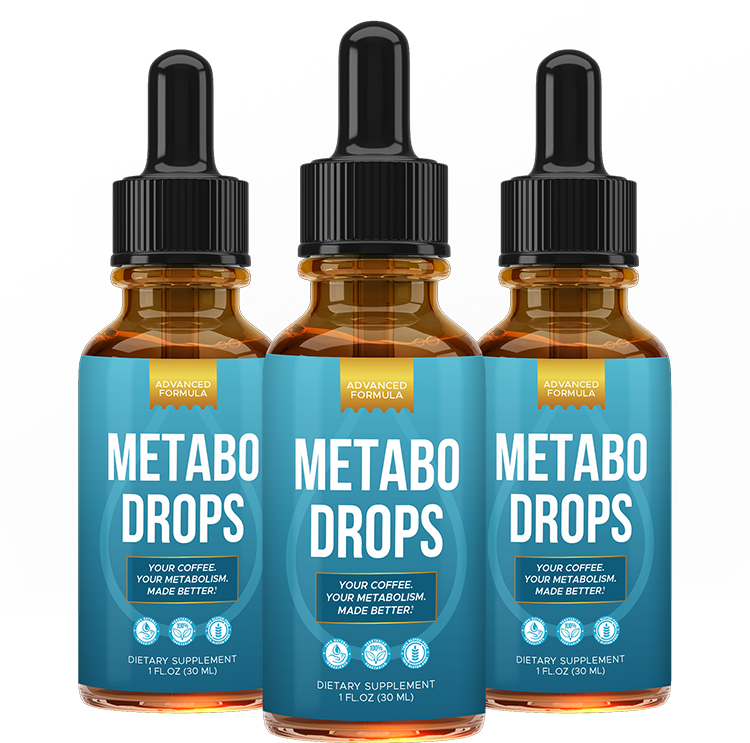
Metabo Drops
Metabo Drops adds chlorogenic acid, green-tea extract, chromium, L-carnitine and L-theanine to coffee in an easy-to-mix liquid. Green tea and chlorogenic acid supply plant polyphenols, while chromium and L-carnitine give the formula its nutrient-metabolism focus. For ghrelin, chromium contributes to nutrient metabolism while L-theanine supports calmer alertness with coffee.
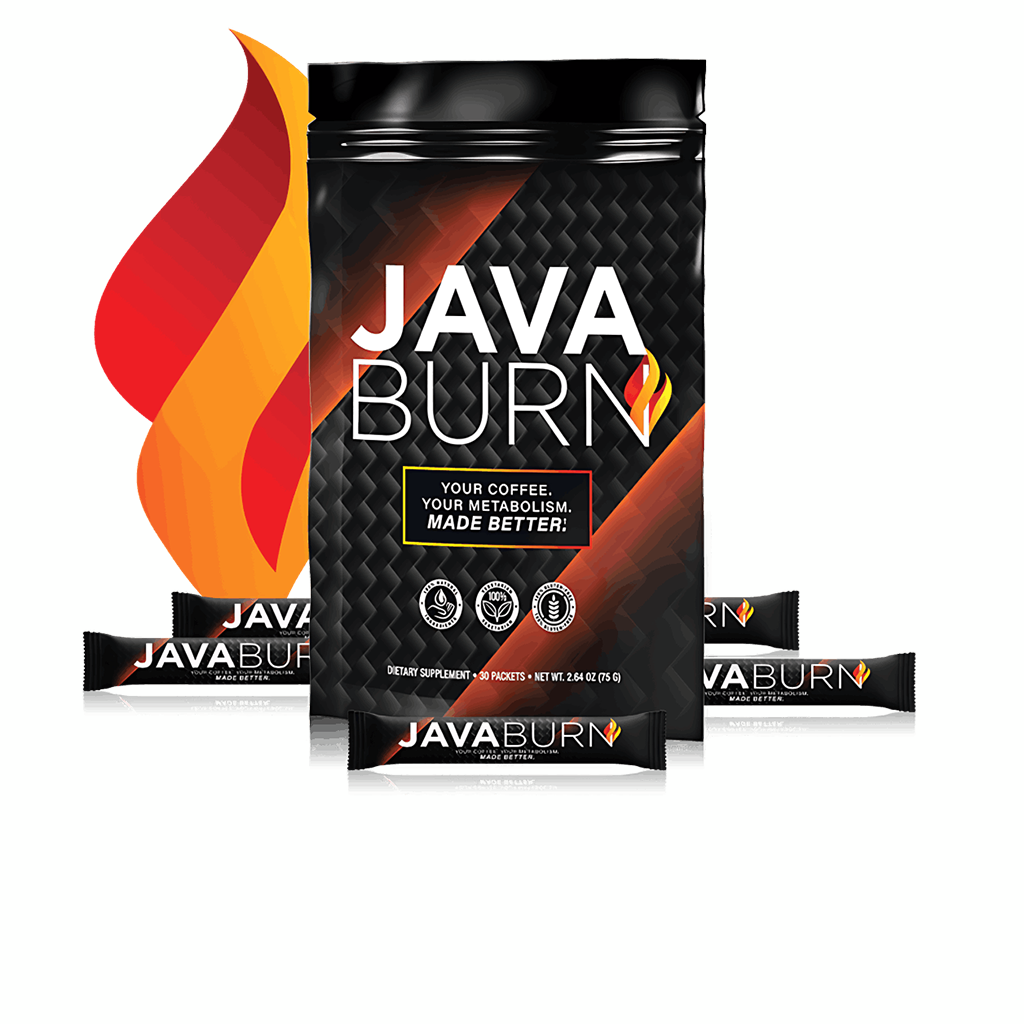
Java Burn
The Java Burn coffee formula brings together green tea, green coffee bean extract, chromium, L-carnitine and L-theanine to support everyday metabolic function and alertness. Green-tea catechins and green-coffee chlorogenic acids are its plant extracts, with chromium supporting normal carbohydrate, fat and protein metabolism. For ghrelin, chromium contributes to nutrient metabolism while L-theanine supports calmer alertness with coffee.
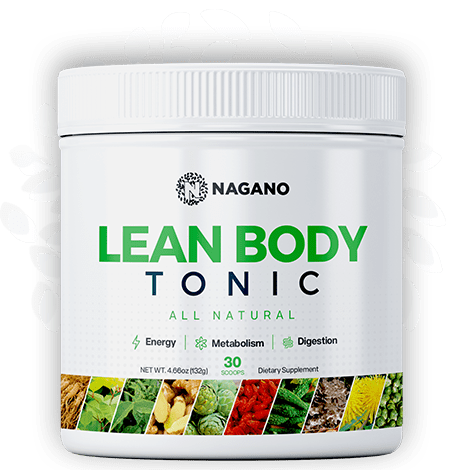
Nagano Tonic
Nagano Tonic is a powdered drink mix made with botanicals and nutrients including camu camu, green-tea EGCG, mangosteen, ginger and inulin. Its formula is promoted for daily metabolic, energy and digestive support; it is not a substitute for balanced nutrition or medical care. When comparing options alongside ghrelin, review the ingredient label and seller terms before ordering.
Frequently Asked Questions
Not exactly, but habitual meal schedules can create anticipatory patterns. Changing that schedule may initially produce hunger at the old time before the pattern adapts.
Protein-containing meals can produce favorable short-term satiety responses, including changes in ghrelin, but effects vary by meal and person. Protein also supports fullness through mechanisms beyond ghrelin.
The response depends on exercise intensity, duration, energy balance and the individual. Some sessions briefly reduce hunger, while accumulated energy needs can increase appetite later. Review meal composition and sleep patterns before assuming a stronger suppressant is needed.