When ghrelin levels matter—and when testing does not help
A ghrelin blood test is rarely the first or most useful investigation for everyday hunger or weight gain. Levels change with fasting, meals, body composition and sample handling, and there is no simple consumer target that defines healthy appetite. Clinical evaluation usually begins with symptoms, medications, eating patterns and common medical causes. If hunger changes abruptly or comes with excessive thirst or unexplained weight change, investigate the cause instead of simply trying to suppress it.
Why ghrelin is difficult to interpret
A result is meaningful only in the context of whether the person was fasting, when they last ate, which ghrelin form was measured and how the sample was processed. Acylated ghrelin is relatively unstable, making careful collection and laboratory handling especially important.
Reference ranges can differ among assays, and a value outside one laboratory's range does not by itself identify the cause of hunger or a weight problem. Direct-to-consumer hormone panels may provide a number without offering a clinically validated decision path.
- Confirm whether the assay measures total or acylated ghrelin
- Record fasting duration and collection time
- Interpret results only against that laboratory's method and range
- Do not adjust food intake or medication from one result alone
What high or low levels might mean
Ghrelin patterns can differ with fasting, recent weight loss, obesity, gastrointestinal surgery and certain uncommon conditions. Lower average levels do not necessarily mean lower appetite, because receptor sensitivity, meal responses and other appetite pathways also matter.
Rare disorders can involve unusual ghrelin patterns, but a ghrelin value is generally not diagnostic on its own. Clinicians instead combine history, physical findings and established tests targeted to the suspected condition.
Symptoms matter more than a presumed hormone imbalance
Persistent hunger could reflect inadequate food intake, restrictive dieting, highly refined meals, increased activity, poor sleep, medication effects, diabetes or other medical issues. A broad assessment is more useful than assuming ghrelin is the cause.
Recommended Products
When to arrange medical evaluation
Make a routine appointment if appetite has changed substantially for several weeks, hunger repeatedly interrupts sleep, eating feels difficult to control or weight is changing without a clear reason. Bring a list of medicines and supplements, because corticosteroids, some psychiatric medicines and other treatments can affect appetite or weight.
Prompt care is appropriate when excessive hunger occurs with marked thirst, frequent urination, blurred vision, vomiting, severe weakness or rapid unexplained weight loss. Those symptoms can indicate a problem that should not be managed with appetite supplements. A protein-rich breakfast and fiber-containing lunch can help reveal whether the problem is inadequate meals or a cue-driven craving.
- Track symptom onset and recent weight change
- Note thirst, urination, bowel symptoms and sleep disruption
- List recent medication or dose changes
- Mention restrictive eating, binge episodes or fear around food honestly
What a clinician may evaluate first
The initial workup is guided by the complete picture. It may include dietary intake, vital signs, medication review and tests for common metabolic or endocrine explanations rather than a specialized ghrelin assay.
If eating episodes involve loss of control, secrecy, compensatory behaviors or significant distress, assessment by a clinician familiar with eating disorders is important. These conditions are treatable and are not established by body size.
- Blood glucose evaluation when diabetes symptoms or risks are present
- Thyroid assessment when supported by symptoms and examination
- Review of sleep quantity and possible sleep disorders
- Nutrition and mental-health screening where appropriate
Supplements for Ghrelin

LivPure
Milk-thistle silymarin, betaine, berberine and glutathione give LivPure its liver-support focus, alongside antioxidants from green tea. Berberine is included for metabolic wellness, while milk thistle and glutathione focus on liver and cellular antioxidant support. For ghrelin, the liver-and-metabolism blend can support everyday wellness, while foods rich in protein and fiber provide fullness.
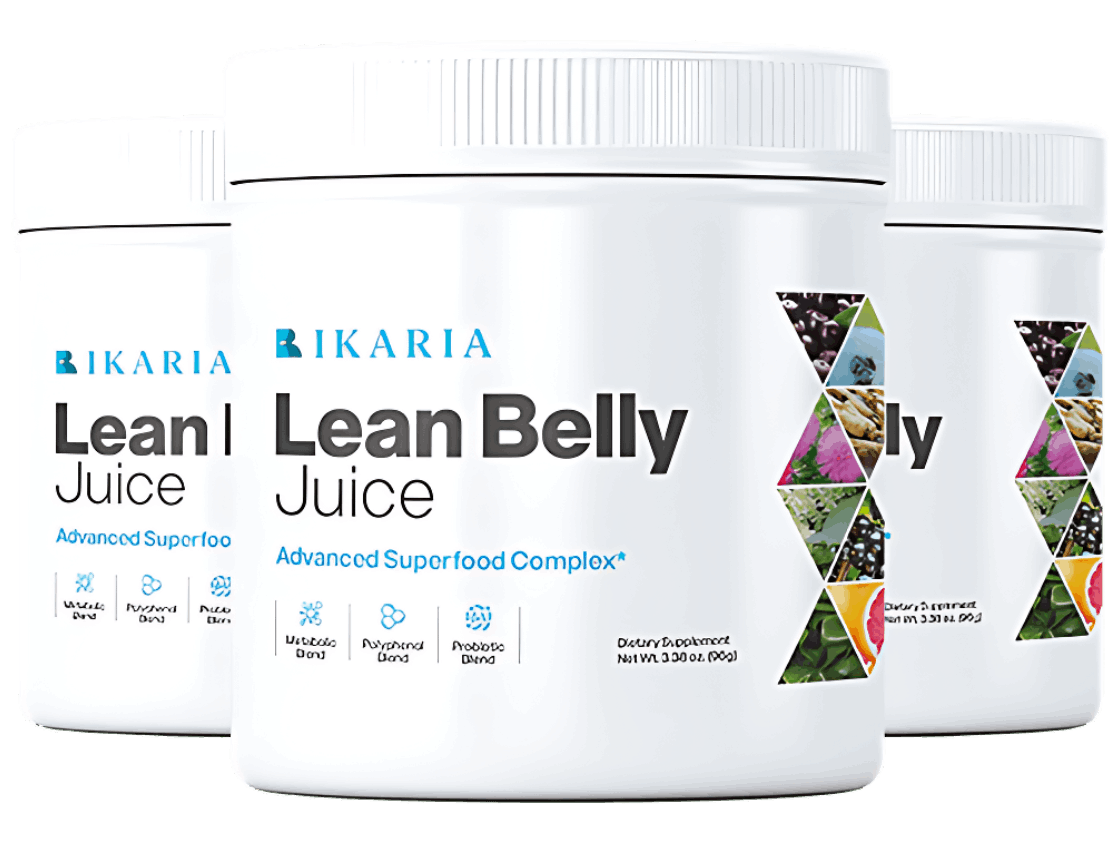
Ikaria Juice
Ikaria Lean Belly Juice brings together plant antioxidants from green tea, berries and beetroot with prebiotic inulin and probiotic cultures for digestive wellness. The combination of probiotic cultures, prebiotic fiber and botanical polyphenols targets gut comfort and everyday metabolic health. For ghrelin, probiotic cultures and inulin emphasize digestive comfort and gut-related appetite patterns.
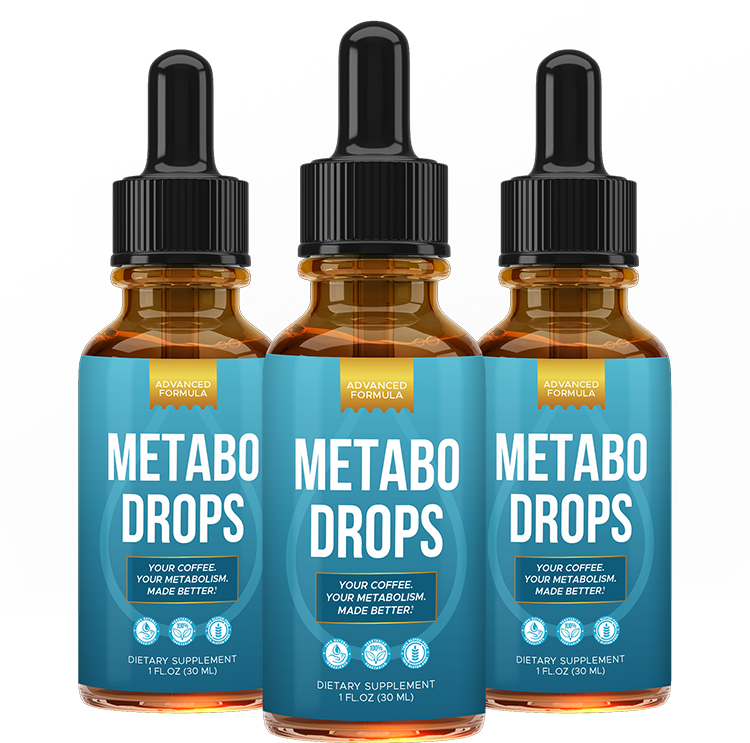
Metabo Drops
The Metabo Drops liquid blends green-tea compounds and coffee-derived chlorogenic acid with L-carnitine, chromium and calming-focus L-theanine. Green tea and chlorogenic acid supply plant polyphenols, while chromium and L-carnitine give the formula its nutrient-metabolism focus. For ghrelin, chromium contributes to nutrient metabolism while L-theanine supports calmer alertness with coffee.

Java Burn
The Java Burn coffee formula brings together green tea, green coffee bean extract, chromium, L-carnitine and L-theanine to support everyday metabolic function and alertness. L-carnitine participates in fatty-acid transport, while L-theanine is intended to complement coffee alertness with a calmer focus. For ghrelin, chromium contributes to nutrient metabolism while L-theanine supports calmer alertness with coffee.

Nagano Tonic
Nagano Tonic is a powdered drink mix made with botanicals and nutrients including camu camu, green-tea EGCG, mangosteen, ginger and inulin. Its formula is promoted for daily metabolic, energy and digestive support; it is not a substitute for balanced nutrition or medical care. When comparing options alongside ghrelin, review the ingredient label and seller terms before ordering.
Frequently Asked Questions
Availability varies, but access does not guarantee usefulness. Different assays and collection conditions can make an isolated result hard to interpret, so discuss the reason for testing with a clinician first.
No. Persistent hunger can arise from inadequate intake, meal composition, sleep loss, medicines, diabetes, emotional factors and other causes. Symptoms alone cannot identify a ghrelin level. Review meal composition and sleep patterns before assuming a stronger suppressant is needed.
Not by itself. Appetite signaling may contribute, but unexplained change requires a broader review of intake, activity, fluid retention, medications, sleep and health conditions.